
Criminal Psychopathy: Myths, Theory, Research, and Practice
Description:
When we hear the word "psychopath," what often comes to mind? Perhaps a chilling character from a true-crime documentary, a cunning villain from a blockbuster movie, or a sensationalized headline. The media, literature, and even casual conversations have shaped a powerful, often terrifying, image of the criminal psychopath. But how much of this popular perception is actually true? This session will delve into the fascinating and often misunderstood world of criminal psychopathy. We will explore the common myths that surround this complex personality disorder and, more importantly, uncover the scientific realities that challenge these widespread misconceptions. Prepare to have some of your preconceived notions about psychopathy debunked, as we separate fact from fiction.
Process:
Lecture “Breaking the psychopath myth: Introducing a new way to investigate psychopathic mind”
- Professor Daniel Boduszek (SWPS University)
Traditional ways of diagnosing psychopathy are facing growing criticism. The reason? They often confuse an individual's personality traits with criminal behaviour. This presentation introduces the Psychopathic Personality Traits Model (PPTM), a framework that clearly separates psychopathy as a personality structure from antisocial or criminal acts. We will take a closer look at “cognitive reactivity" and the ability of high-functioning individuals to mimic emotions, a skill that makes them incredibly difficult to identify. Furthermore, we’ll discuss the underlying mindsets that drive extreme selfishness and manipulation.
Lecture in English, will be translated into Polish.
Lecture “Climbing the ladder: How psychopathic traits can lead to professional success”
- Professor Dean Fido (University of Derby)
What does it take to be a “Successful Psychopath”? Dr Fido challenges the distinction between being labelled a “psychopath” and the presence of psychopathic personality traits, which exist to some extent within everyone. He discusses how dulled empathic responses to the actions of others, a tendency to engage in callous acts, and an ability to act without shame or fear of failure can not only facilitate high-income professional roles but can result in notoriety and elevated social status.
Lecture in English, will be translated into Polish.
Lecture on “Emotion in psychopathy: What we know, what we don’t, and what it means for crime prevention”
- Professor Carlo Garofalo (University of Perugia)
This presentation examines emotional functioning in psychopathy, distinguishing empirical evidence from enduring myths. Drawing on affect, cognition, and motivation research, it clarifies what we know about emotional experience, emotion regulation and empathy in psychopathy —and where significant uncertainties remain. By challenging sensationalized portrayals, the talk reframes psychopathy as a dimensional construct with heterogeneous emotional profiles. Implications for risk assessment, intervention, and crime prevention are discussed, proposing avenues to develop new strategies that translate scientific insight into responsible policy and community practice.
Lecture in English, will be translated into Polish.
Lecture: “Why do people commit terrible crimes? A reality check from inside prison”
- Georgia Barnett, PhD (KTA Research and Consulting)
Why do people commit sexual and violent crime? Drawing on the evidence and real-life experience of working with people convicted of the most serious offences, this session helps explain the psychology behind the crime, and why psychopathic traits are rarely the answer.
Lecture in English, will be translated into Polish.
Lecture “Do psychopathic traits influence rape trial verdicts? Investigating psychopathy in the courtroom”
- Professor Dominic Willmott (Loughborough University)
Research has examined how judges and jurors perceive people accused of violent crimes who have a ‘diagnosis’ of psychopathy. However, until recently, no research thought to investigate how psychopathy may influence the decision-makers themselves. Using a highly realistic mock trial design, we investigated whether the decisions that rape trial jurors make may also be influenced by their own psychopathic personality traits. Using a person-centred analysis different juror psychopathy profiles were examined against the verdicts they returned, with some astonishing results.
Lecture in English, will be translated into Polish.
Q&A Session, in which the following take part:
- Professor Daniel Boduszek (SWPS University)
- Professor Dean Fido (University of Derby)
- Professor Carlo Garofalo (University of Perugia)
- Professor Dominic Willmott (Loughborough University)
Meeting in English, will be translated into Polish.

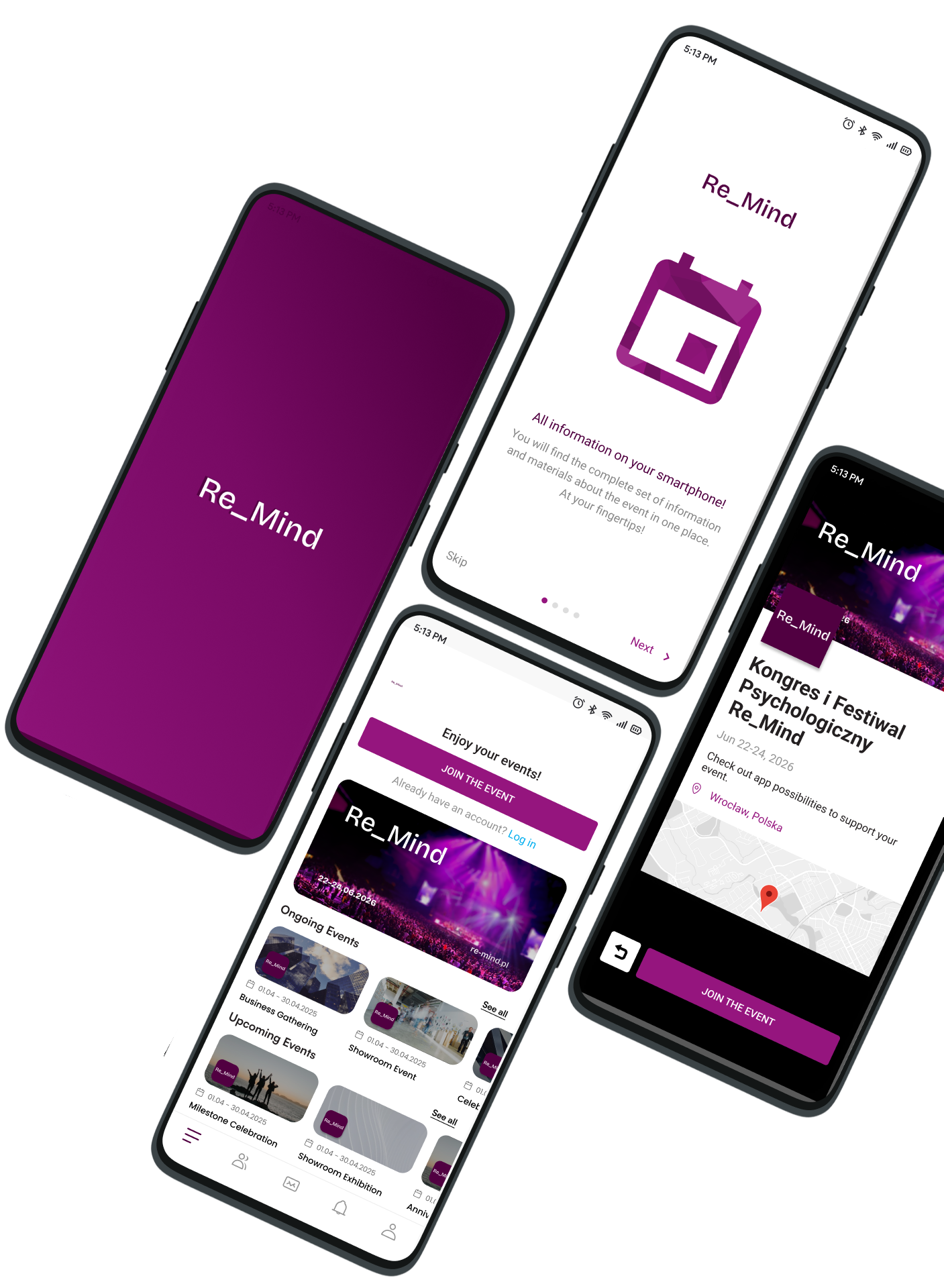
Festival app.
