In the heart of Wrocław
city of change and city of learning - we create an event that combines the scientific with the everyday.

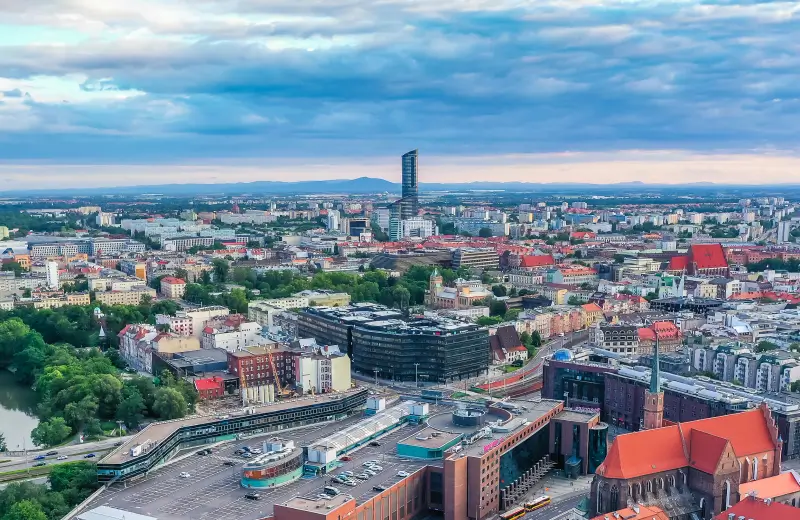


Locations
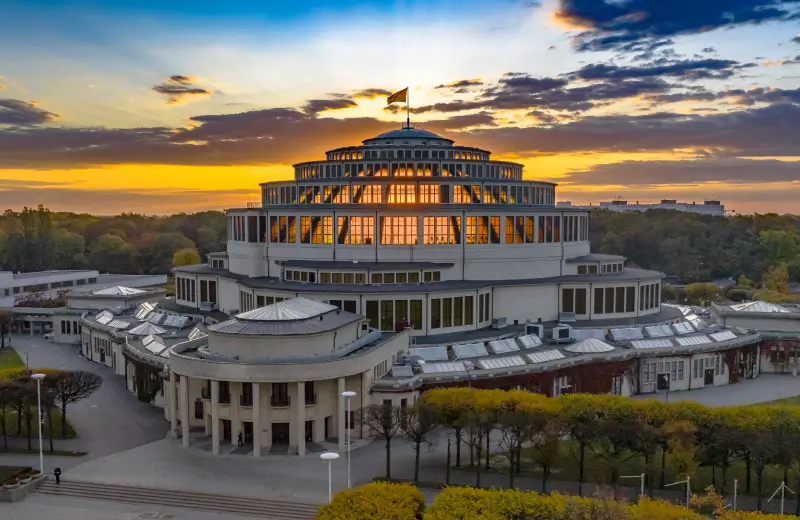
Centennial Hall
The Centennial Hall complex in Wrocław is a unique place that combines history, culture, architecture and entertainment. The main element of the complex is the Centennial Hall, which was designed by architect Max Berg and built between 1911 and 1913. Thanks to its original reinforced concrete structure, it was a pioneering work of engineering and architecture, and today it is a symbol of Wrocław. In 2006, the Centennial Hall was included in the UNESCO World Heritage List, which confirms its unique historical and cultural value.The hall and the entire complex are located in a picturesque part of the city, surrounded by the Szczytnicki Park, not far from the Odra River. This place is eagerly visited not only by participants of events, but also by locals and tourists. Around the hall there are spacious walking areas, benches, green lawns and places to relax.The complex includes:
- Centennial Hall — One of the most important elements of the building is its dome. It is as much as 65 meters in diameter and reaches 42 meters high from the floor level, making it one of the largest concrete roofs in the world at the time of its construction. Inside there is a huge space of the main hall, which can accommodate up to 10,000 people for various events.
- Wrocław Congress Centre — modern conference room space, suitable for smaller and larger business meetings, conferences or congresses.
- Pergola and Multimedia Fountain — a walking structure surrounding one of the most impressive fountains in Europe. During the season, water, light and music shows are held here, attracting many spectators.
- Plac pod Iglica — an open space with a characteristic 96-meter steel spire
The Centennial Hall complex is a place where the past meets the present. This is not only a historical building, but also an active space for modern events: concerts, fairs, exhibitions, conferences and mass events. This place is bustling with life all year round and is an important point on the cultural and social map of Wrocław.
ZOO
The Wrocław Zoo is the oldest zoo in the present Polish lands. It was opened in 1865, which means that it is already more than 160 years old. The zoo occupies about 33 hectares and is located right next to the Centennial Hall Complex.
Currently, about 12 thousand animals of about 1100 species live here, which makes the Wrocław Zoo one of the largest in Poland. One of its biggest attractions is the Afrikarium, opened in 2014. It is a unique object dedicated exclusively to the nature of Africa, where you can see, among others, an underwater tunnel, hippos, sharks or penguins.
Afrykarium also functions as a modern educational space and has conference facilities, used for meetings and special events. ZOO Wrocław combines animal protection, education and recreation, offering an attractive place to study and relax for people of all ages.
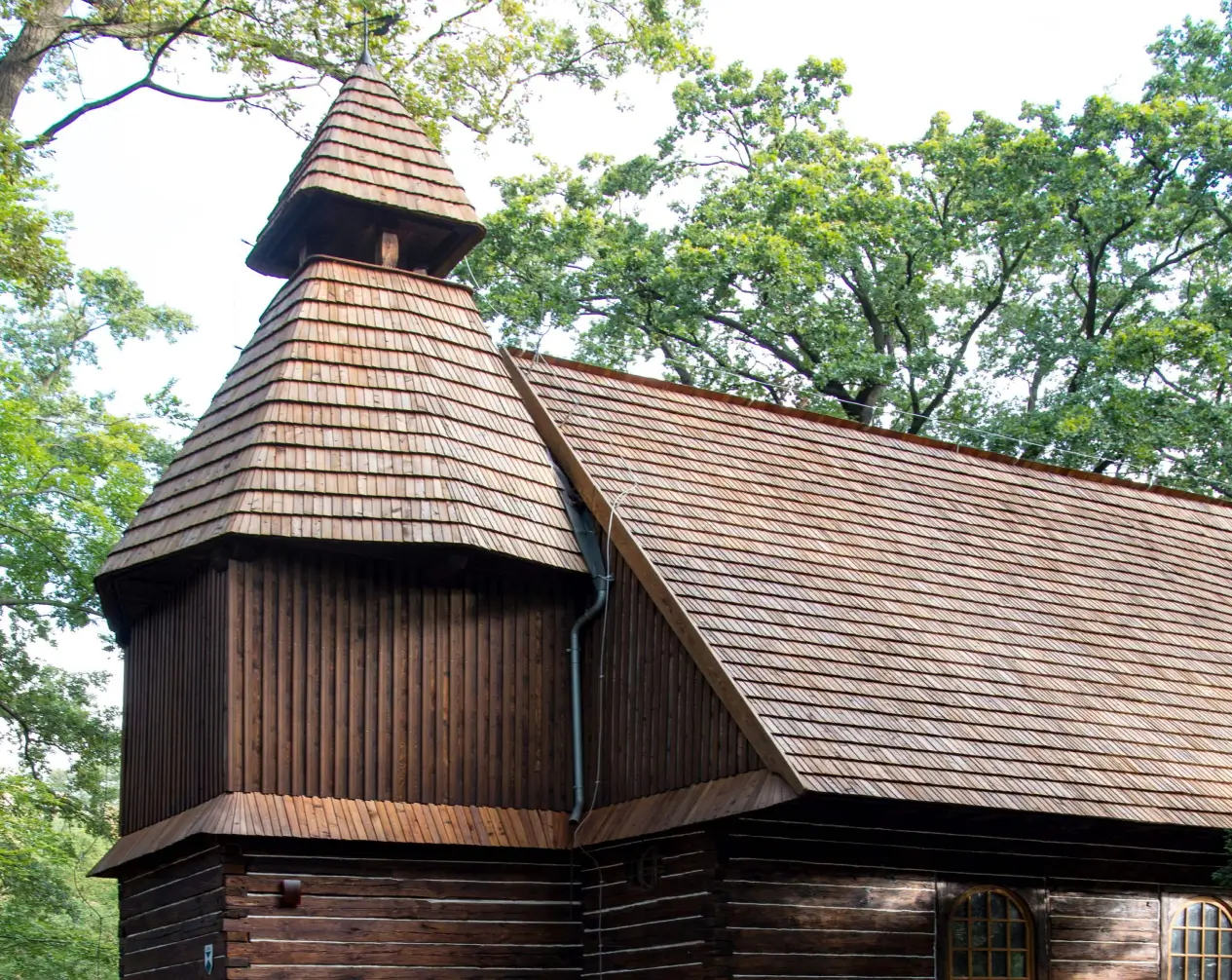
Church of St. John of Nepomuk - wooden church in Szczytnicki park
The church, which today stands in the southern part of Szczytnicki Park, near Kopernika Street, was built in the first half of the 17th century in Stary Koźl. Then he was transferred to Kędzierzyn, and in 1913 he ended up in Wrocław.
It was part of the great Centennial Exhibition (presenting, among others, the history of Silesia) in the section devoted to garden and cemetery art.
The church is included in the register of monuments, today it is no longer a place of worship. Currently, this wooden church operates the Open Space of Culture, the space of the Wrocław Center for Social Development - film and theater screenings, as well as literary meetings and concerts.
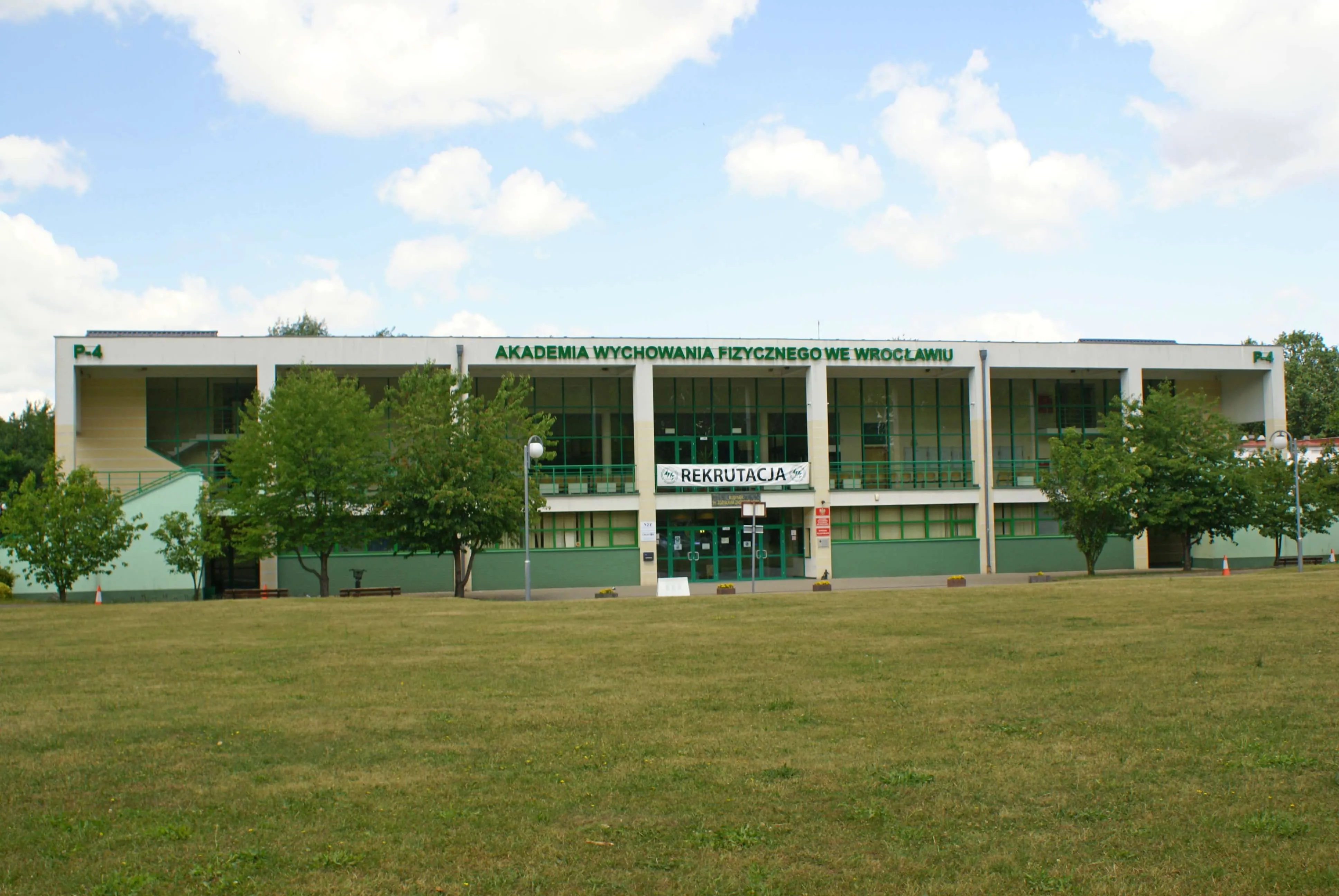
State Labour Inspectorate Regional Labour Inspectorate in Wrocław
The Regional Labour Inspectorate in Wrocław is bordered on two sides by the beautiful areas of the historic Szczytnicki Park. The buildings, located among greenery, are comfortably and functionally furnished.This institution is also adjacent to the buildings of the historic WuWa estate, known for its unique modernist architecture, which gives this place a special character.
Old Library — garden
The Old Library is a historic building with a rich history. It was founded in 1892 as a suburban residence surrounded by a beautiful garden of chocolate producer Oswald Püschel. In the following years it served various functions: it belonged to the Evangelical Church, housed a school, an archive and a library.
After World War II, it became the library of the Medical Academy, with which many Wrocław residents and university graduates associate it to this day. Today, the restored villa offers an intimate guest house and a restaurant. The property combines accommodation, catering and social functions, invariably being surrounded by a beautiful garden, which is available all year round.
Space-Time
In the raw, industrial walls of the former Dąbie Depot today there is Space-Time — a place outside the center and outside the mainstream. Space-Time, or Centre for Academic Culture and Local Initiatives, is run by the Raft Association. Cultural events, workshops, fairs and outdoor meetings are held here. It is a space open to residents, students and tourists, conducive to integration and active pastime.
The history of the building is already more than 110 years — in the years 1913-2014 it served as the Dąbie depot — a place where city trams were served. The depot was part of the transport infrastructure of Wrocław, ensuring the smooth functioning of public transport in the district. The preserved elements of industrial architecture give the building a unique character today.
Concordia Design
Concordia Design are centers of innovation and creativity operating in Poznań and Wrocław, whose mission is to support business development and integration of the local community. The business profile of the company includes the activities of conference centers, rental of office and coworking spaces, business consulting and running acceleration programs for technology startups. The brand is distinguished by the synergy of economic goals with cultural and social activities. Building a strong community and supporting creative and technological industries are the foundations of her identity.
Centennial Hall
The Centennial Hall complex in Wrocław is a unique place that combines history, culture, architecture and entertainment. The main element of the complex is the Centennial Hall, which was designed by architect Max Berg and built between 1911 and 1913. Thanks to its original reinforced concrete structure, it was a pioneering work of engineering and architecture, and today it is a symbol of Wrocław. In 2006, the Centennial Hall was included in the UNESCO World Heritage List, which confirms its unique historical and cultural value.The hall and the entire complex are located in a picturesque part of the city, surrounded by the Szczytnicki Park, not far from the Odra River. This place is eagerly visited not only by participants of events, but also by locals and tourists. Around the hall there are spacious walking areas, benches, green lawns and places to relax.The complex includes:
- Centennial Hall — One of the most important elements of the building is its dome. It is as much as 65 meters in diameter and reaches 42 meters high from the floor level, making it one of the largest concrete roofs in the world at the time of its construction. Inside there is a huge space of the main hall, which can accommodate up to 10,000 people for various events.
- Wrocław Congress Centre — modern conference room space, suitable for smaller and larger business meetings, conferences or congresses.
- Pergola and Multimedia Fountain — a walking structure surrounding one of the most impressive fountains in Europe. During the season, water, light and music shows are held here, attracting many spectators.
- Plac pod Iglica — an open space with a characteristic 96-meter steel spire
The Centennial Hall complex is a place where the past meets the present. This is not only a historical building, but also an active space for modern events: concerts, fairs, exhibitions, conferences and mass events. This place is bustling with life all year round and is an important point on the cultural and social map of Wrocław.
Why Wroclaw?
City of change and dialogue
Wrocław is a city of meetings, diversity and openness, where the perspectives of science, culture and social life naturally intersect. It is a space conducive to a conversation about contemporary challenges and the search for responsible, knowledge-based solutions.
Strong academic and cultural centre
The presence of many universities, cultural institutions and creative circles makes Wrocław a place of intense exchange of ideas. It is a city that combines scientific reflection with everyday experience and real social impact.
The city as part of the event
Re_Mind takes place in the Centennial Hall and in various spaces of Wrocław, involving the city in a dialogue about mental health, well-being and quality of life. Thanks to this, Wrocław becomes not only a background, but an integral element of the event.
.webp)
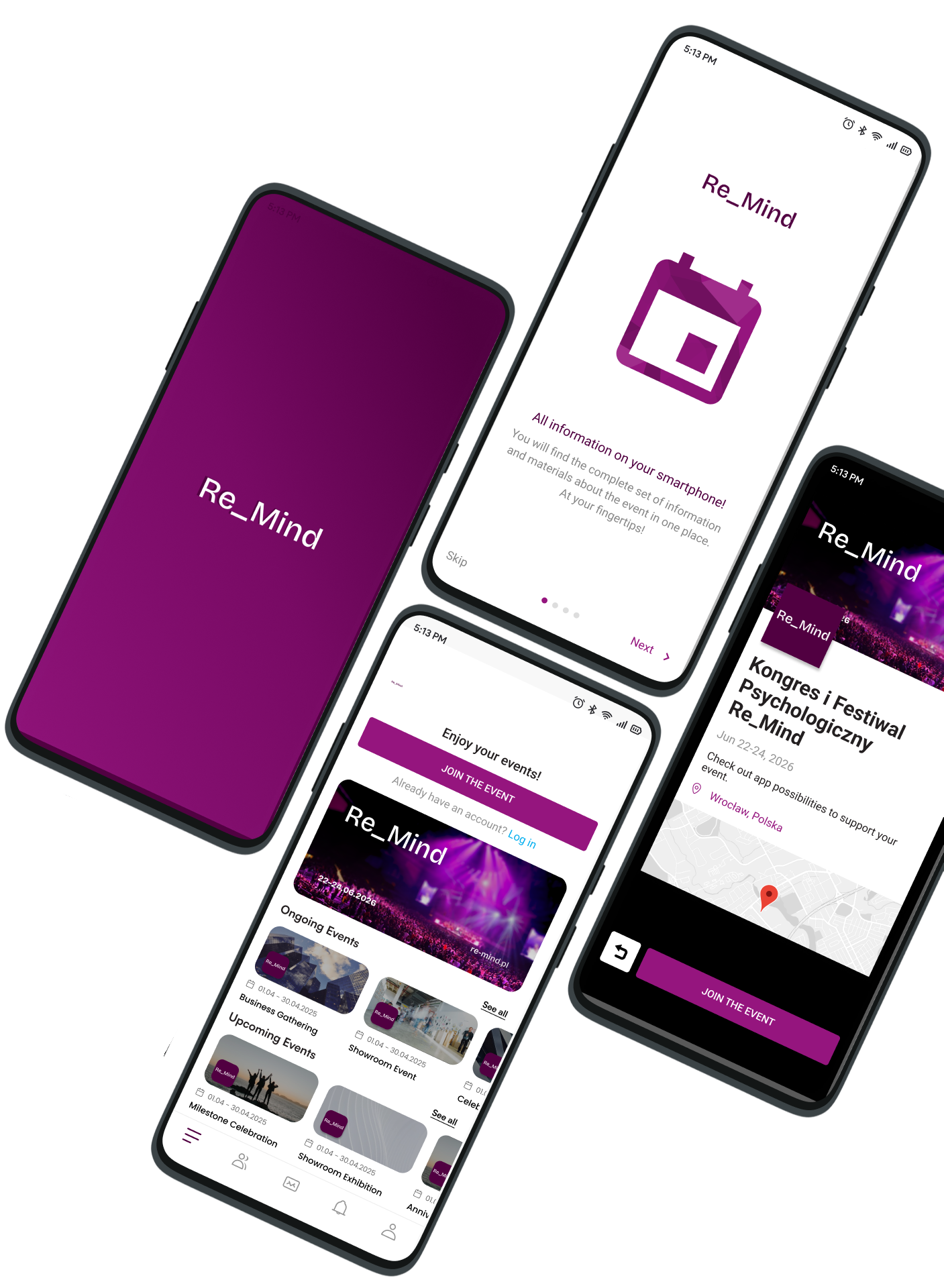
Festival app.
More information coming soon.
Ticket sales coming soon.
Buy a ticket and participate in Re_Mind.