
Re_Mind.
Knowledge about people that matters.
The most important challenges of the modern world require a better understanding of the human being—how we make decisions, build relationships, work, learn, use technology, and take care of our mental health.
Re_Mind was created as a space where science meets reality. It brings together world-class scientists and practitioners with representatives from business, culture, media, education, and the public sector.
It creates a space for reliable psychological knowledge, as well as for a debate on how to apply it to real-world social challenges.
Knowledge that organizes the debate
The first edition of Re_Mind showed that an event based on reliable psychological knowledge can do more than just popularize science. It can organize the debate, confront myths with science, and translate knowledge into practice.
Re_Mind tackled the myths and simplifications growing around psychology by contrasting them with evidence-based knowledge. It became a space for discussing the quality of psychological knowledge present in the public sphere—especially that which reaches audiences via the internet and new media. The first edition initiated efforts aimed at popularizing reliable psychological knowledge and showing how it can be used to strengthen the well-being and mental resilience of society.
One of the key topics at Re_Mind was the distinction between reliable psychological knowledge and psychotherapy versus commercial promises, superficial self-help simplifications, or pseudoscientific influence techniques. We discussed concrete examples—from the misunderstanding of intergenerational trauma and the hopes associated with the use of certain psychedelics in therapy, to the relationship between wealth and a sense of well-being.
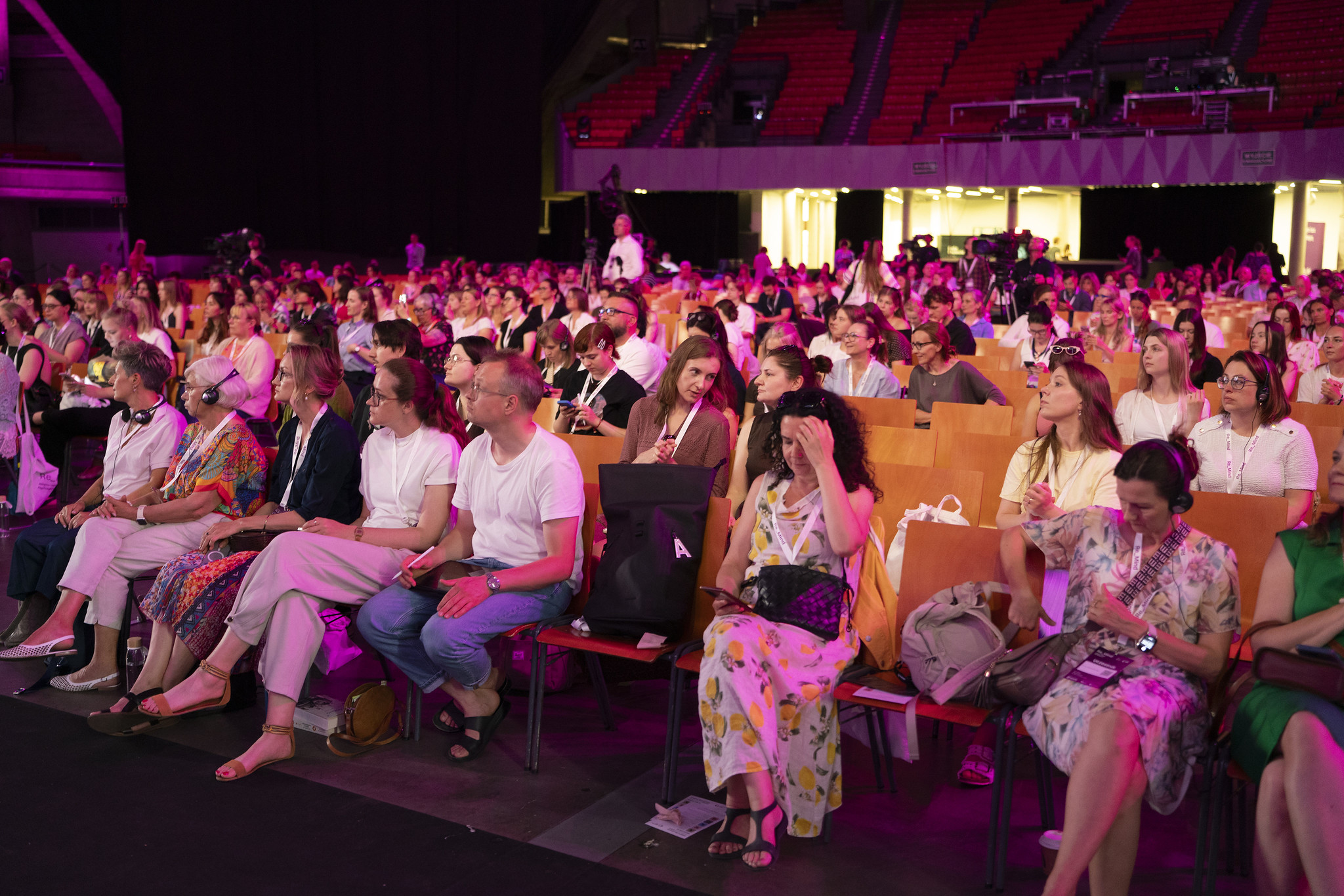
The 14 thematic tracks that formed the core of the program allowed for a deeper understanding of various areas of psychology. At the same time, combining the rigor of a scientific congress with an accessible festival format—featuring workshops and artistic events—helped bring reliable knowledge beyond the academic environment. Re_Mind attracted not only researchers and practitioners but also parents, teachers, business representatives, and individuals interested in their own well-being.
Re_Mind demonstrated how academic knowledge can support government and local institutions in creating public policies regarding mental health and social resilience—through research, reports, and analysis, as well as expert participation in processes leading to concrete solutions. The congress also enabled the exchange of best practices and experiences related to mental health initiatives in local communities.
Re_Mind combined practical tools for supporting well-being and mental resilience with a discussion on systemic change. Participants gained knowledge and tools to strengthen their mental health and resilience, while experts debated current systemic solutions, including those related to psychological education and the legal regulation of psychotherapy and the psychotherapy profession.
Re_Mind brought together scientists and practitioners, researchers and policymakers, digital media creators, data and trend analysts, and representatives of business and culture for a single conversation. It wasn't just about having different groups in one place—the congress created a space for genuine meetings, discussion, exchange of experience, and planning future actions.
Among the participants:
38.6% business | 22.9% education and science | 15.5% health and psychology | 6.4% public administration.
The Youth Village created a space where young people were not just passive attendees. They were given the opportunity to speak in main agenda debates and get involved in organizing Re_Mind. Their perspective became part of the conversation about psychology and contemporary challenges, making the younger generation active participants in the event rather than just an audience.
Re_Mind was co-created by all public universities in Wrocław, the University of Opole, the Polish Psychological Association, the National Trade Union of Psychologists, and representatives of students and doctoral candidates.
Scientific knowledge also met the practice of public institutions through the participation of representatives from, among others, the Ministry of Foreign Affairs, the Ministry of Science and Higher Education, the Ministry of Health, the Ministry of National Education, the Ministry of Justice, and NASK.
Re_Mind 2027
The next chapter in the conversation about humanity.
The first edition of Re_Mind launched a recurring platform with international ambitions and real social impact. It built a space that attracted experts and authorities from the worlds of science and culture, bringing together diverse communities around reliable knowledge about humanity.
In 2027, we are expanding on this idea.
Re_Mind will once again serve as a space for dialogue between science, practice, and various social spheres—a place where knowledge about humanity helps us better understand a changing world and seek answers to its most pressing challenges.
June 21–23, 2027
Wrocław | Centennial Hall